
Multi-Generational Living in Historic Homes
August 8, 2025In recent years, particularly since the COVID-19 pandemic, more families in Greater Boston and across the Cape have adopted multi-generational living, where three or more generations live under one roof. Now, it’s not everyone’s preference, but for some families, it’s a viable option.
Whether it’s grandparents moving in, adult children returning home for “in-between” periods, or extended family staying long-term, this lifestyle offers closeness and convenience when life circumstances change. However, for homeowners of historic properties, it also raises an important question: how do you create modern livability without erasing/sacrificing the charm?
At Slocum Hall Design Group, we’ve navigated that home renovation design challenge many times over. From adapting carriage houses in Cambridge to converting basements in Newton, we design solutions that respect heritage, but work with, not against, people’s ever-evolving family dynamics.
Multi-Generational Home Design – Creative Approaches to Space
With multi-generational home design, building or renovating options beyond the main house are the first choice for many, at least for those property owners who have the spatial options. Carriage houses, barns, or secondary structures on historic properties can be reimagined as guest houses, sports barns, or even independent living suites.
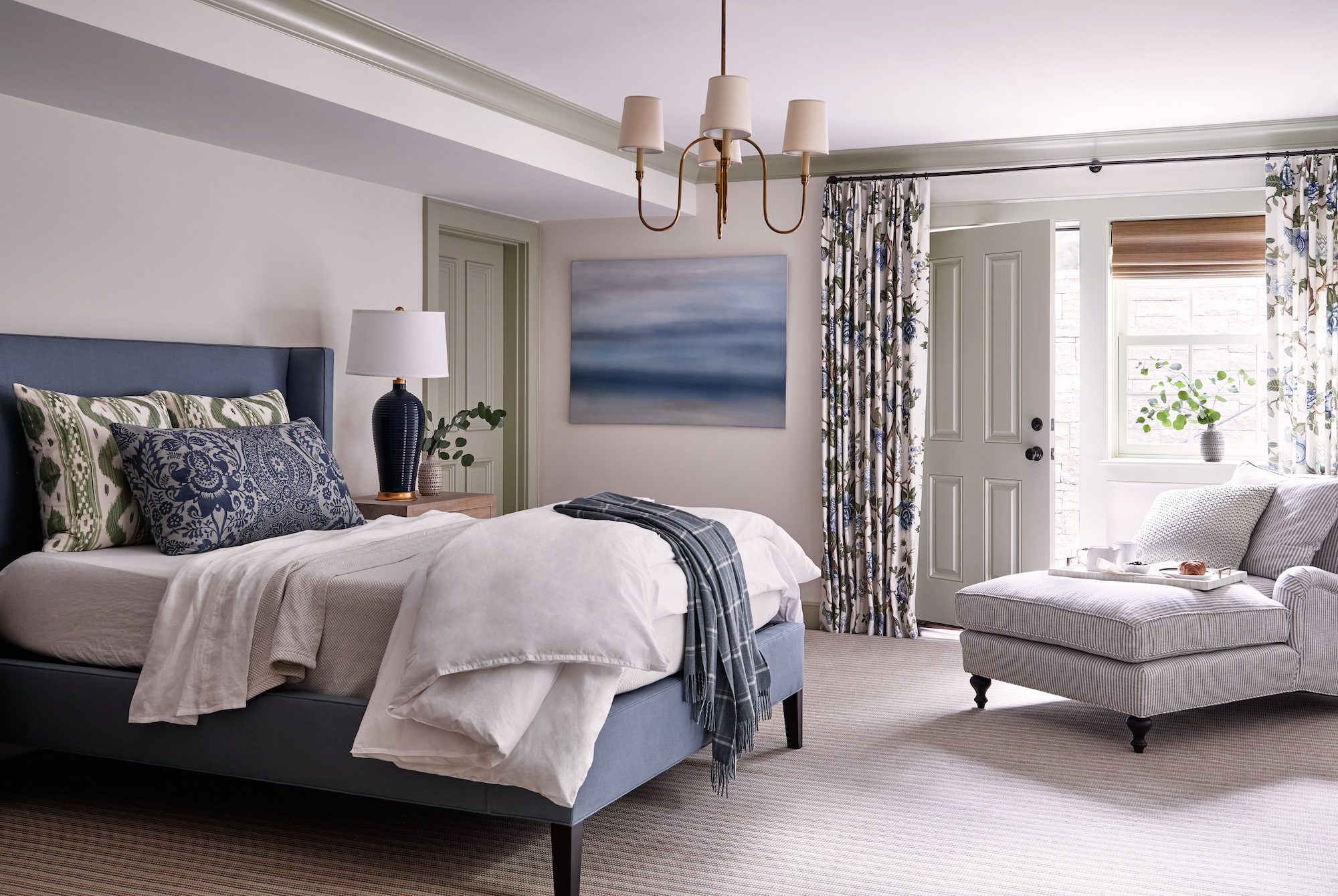
On Brattle Street, for example, a historic carriage house was converted into a party barn and guest quarters, creating more functional space. Basement conversions can also provide private, comfortable areas for live-in relatives. Proper design, lighting, and ventilation transform underutilized square footage into livable suites.
Examples of Multi-Generational Design
- Our Modern Prairie project on Ash included a live-in guest suite designed with accessibility and independence in mind.
- The project on Brattle Street in Cambridge, a historic carriage house, was converted into a party barn/guest quarters, creating more functional and utilitarian space.
- At our Lakehouse project in Freedom, New Hampshire, two completely separate structures provided privacy and autonomy while still fostering family togetherness.
ADU Considerations
Accessory Dwelling Units (ADUs) are another popular housing option, particularly in municipalities such as Cambridge, Brookline, and Newton, where zoning incentives encourage their development.
ADUs can be detached cottages, above-garage apartments, or basement-level suites. With affordability and flexibility top of mind, ADUs are becoming a buzzword in architectural planning and a viable option for families who need more space but want to preserve the original structure.
If you’re exploring how your historic home could support multi-generational living, please contact our team today.
As one of the premier architecture firms in Boston, we want to hear about your design goals.
