
Architectural Strategies for Maximizing Natural Light
January 7, 2026Natural light can transform how spaces feel and flow. Rooms that once seemed enclosed or dim can become uplifting, expansive environments. In our historic New England homes, however, daylight was not originally a primary design driver. Smaller windows, compartmentalized layouts, and deep floor plans often limited how light traveled through the house.
At Slocum Hall Design Group, much of our work involves rethinking those conditions and carefully reshaping spaces so daylight can move naturally through a home while preserving the architectural character that makes the historic home special.
Using the Rhythm of the Sun
Natural light design begins with understanding the sun’s path and how it interacts with a particular property/site. In New England/Greater Boston, southern exposure provides the most consistent daylight throughout the day. Orienting primary living areas toward the south allows sunlight to reach deeper into the home, warming spaces where families spend most of their time.
Morning light has its own role as well. Kitchens and breakfast areas benefit from eastern exposure, where the first light of the day can gently fill the room as daily routines begin. Designing with these rhythms in mind allows a home to feel more connected to the natural cycle of daylight, keeping it in sync with the circadian rhythm of those living within.
Opening Sightlines to Move Light Through the Home
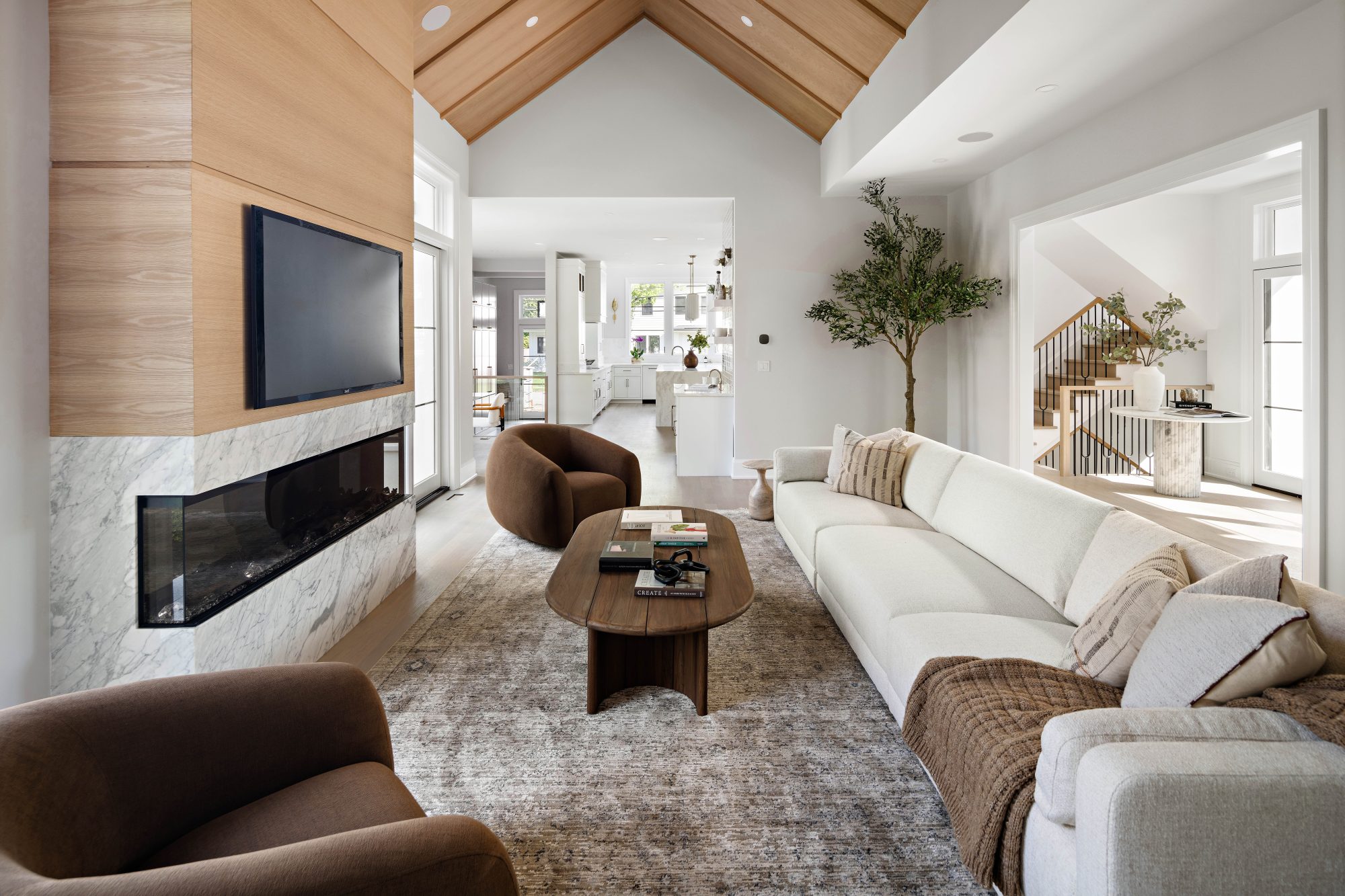
Often, the challenge is not simply bringing more light into a home, but allowing that light to travel further once it arrives. Older homes will most likely contain interior walls and narrow openings that stop daylight at the room’s edge. By widening connections between spaces, aligning hallways with windows, or opening key sightlines, daylight can extend deeper into the interior.
One project where this strategy was particularly effective is the Residence in Newton. Located on a corner lot, the home was designed to bring light into the heart of the interior through carefully positioned windows and interior volumes. Rather than relying on a single dramatic opening, the design allows daylight to gradually move through the house, connecting living spaces and enhancing the home’s overall sense of openness.
Window Placement as a Design Tool
Windows shape how light behaves within a home; their placement/scale influence how daylight enters a room and how it is distributed throughout the space. In historic neighborhoods, especially, enlarging windows requires careful attention to proportion and design language. Our goal is never to overwhelm the existing design but to enhance it. Tactful fenestration allows homes to feel brighter while still respecting the scale and rhythm that define the architecture.
A great example of this approach is our work with the Residence on Ash. Here, glazing was integrated to capture surrounding views and bring daylight deep into the living spaces. Structural framing allowed for larger openings, creating a luminous interior that doesn’t feel apart from the beautiful surroundings. interior finishes were selected specifically to complement the home’s large windows, allowing daylight to disperse softly across the space rather than stopping abruptly at darker surfaces.
Natural Light Design for Balance, Not Brightness
Maximizing natural light does not mean every space should be flooded with bright, overwhelming light as if in a greenhouse. Some rooms benefit from vibrant daylight, while others call for softer illumination and a sense of retreat. The goal is balance, creating a sequence of spaces where light supports each room’s use.
Contact our team of premier Boston architects to learn more about our design and home renovation philosophies.
