
Blog
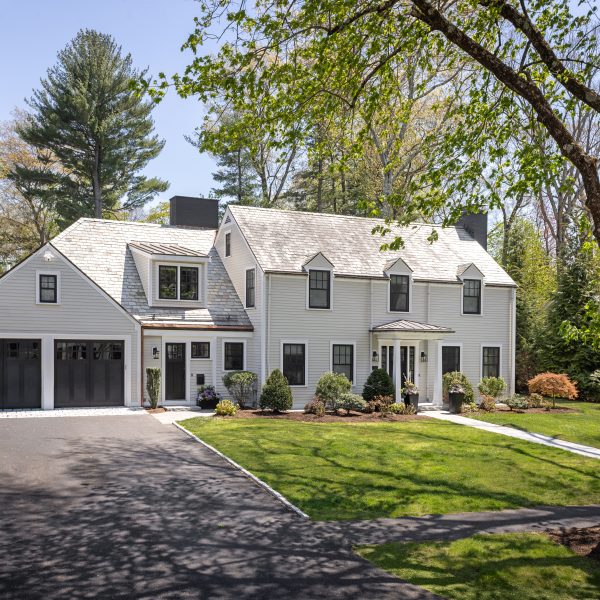
Behind the Build: Designing a Home for What Comes Next
For this Wellesley renovation, the goal was not simply to update an existing home, but to rethink how it could support a family entering a new phase of life. With three grown daughters and the family beginning to look toward becoming empty-nesters, the homeowners wanted a home that could continue to feel comfortable for everyday life while also accommodating the...
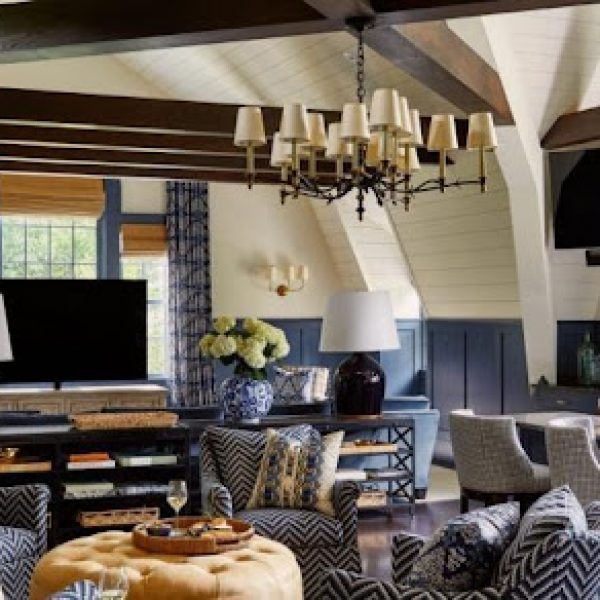
The Architecture of Family Gathering
Walk through almost any older New England home, whether that be Cape, Victorian, or Colonial, and you’ll notice something right away: the rooms were designed to stand on their own. The dining room was for formal meals, and the kitchen was where the cooking happened. The living room was exactly that, a room for sitting. There wasn’t much overlap or...
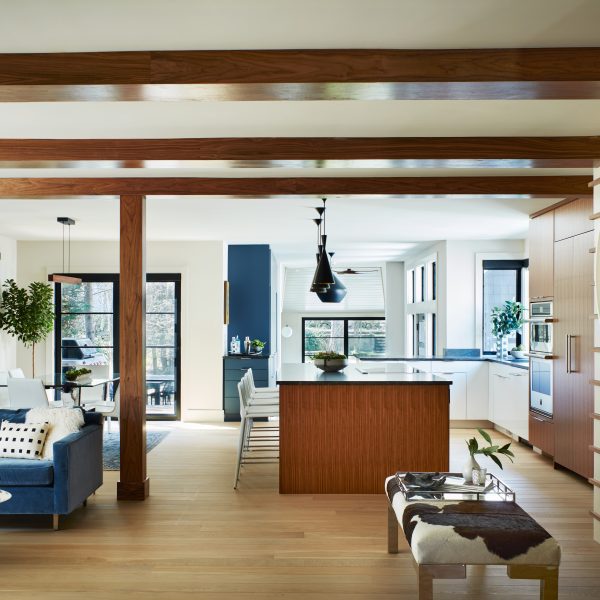
Older Boston Homes Feel Dark and How Design Can Change That
A common observation contractors hear during an initial home walkthrough with new buyers around Greater Boston is, “The house just feels dark,” but it’s rarely because there aren’t enough windows. Many older New England homes were designed with a series of enclosed rooms connected by hallways. Formal dining rooms, parlors, and smaller kitchens made sense when these homes were built,...
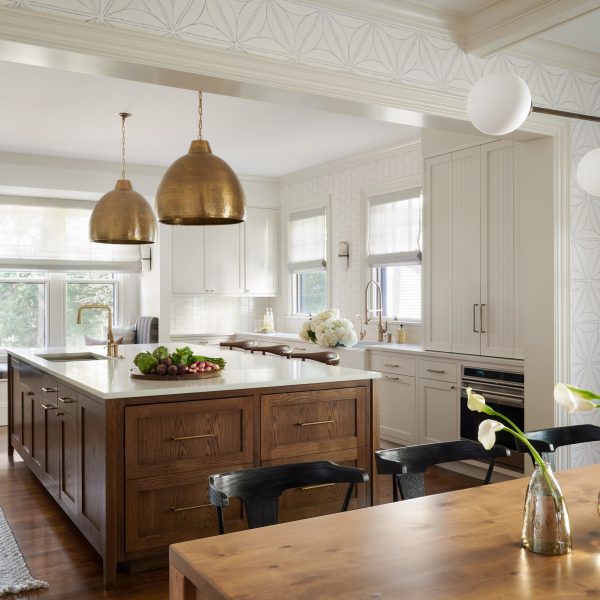
Behind the Build: A Brookline Colonial Reimagined for the Way a Family Lives
Sometimes the right house isn’t quite the right home…at least not yet. When this family of five found a stately 1900 Colonial on a tree-lined street in Brookline, they knew they had discovered the place where they wanted to put down roots. After years of searching while living in their 1,400-square-foot home in Jamaica Plain, they were finally ready for...
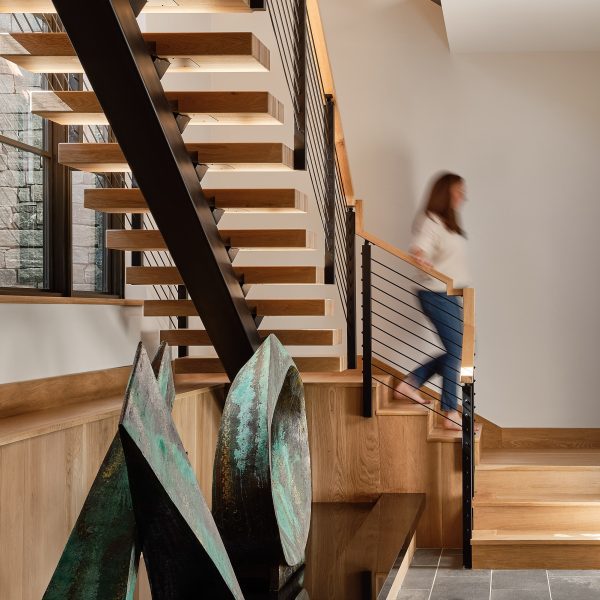
Staircases Don’t Get The Attention They Deserve
When people think about renovating a home, they usually picture the kitchen or the living room first. The staircase often gets overlooked, but it shouldn’t. Few architectural elements influence how a home feels as much as stairs. They’re one of the first things you notice when you walk inside, and you use them countless times throughout the day. A well-designed...
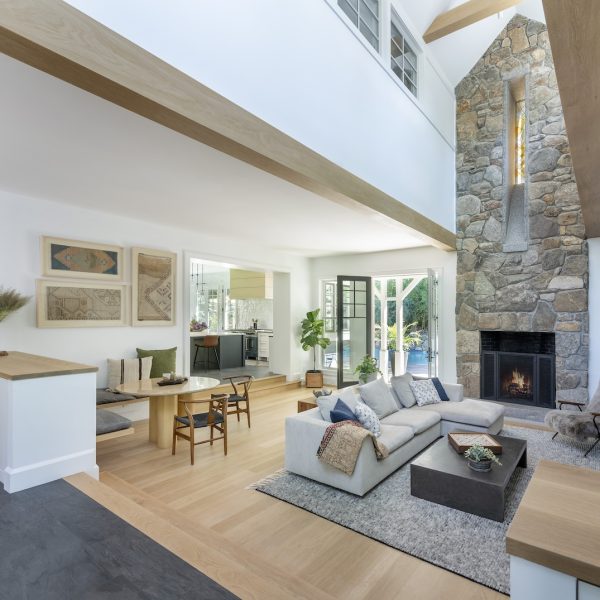
Colonial Home Renovations That Don’t Sacrifice Character
Colonial homes remain among the most sought-after properties throughout Greater Boston for many reasons. Colonials’ proportions, detailing, and curb appeal continue to stand the test of time. But these homes were designed for lifestyles that look very different from the way families live today. Formal rooms and limited connections between living spaces can make these beautiful homes feel disconnected from...
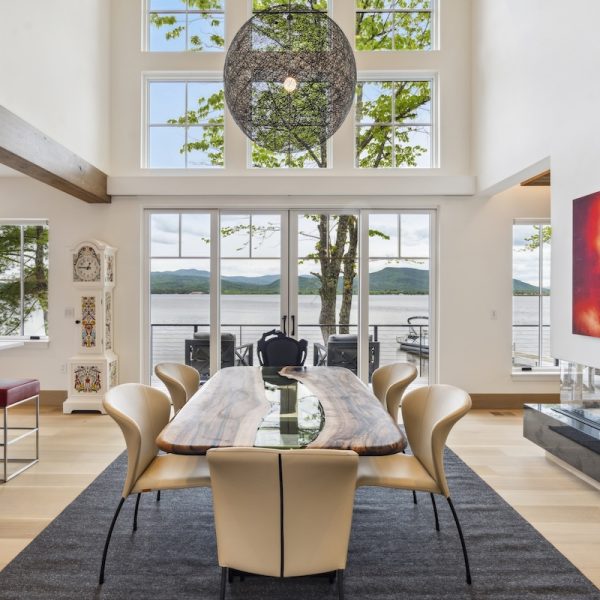
Designing Homes Around Views That Can’t Be Missed
An unmissable view can shape the experience of a home. Whether overlooking a quiet lake, a coastal Cape marsh, or the open ocean, the natural landscape often becomes the property’s greatest architectural asset. At Slocum Hall Design Group, we know some of the best homes don’t sit on beautiful sites—they’re designed around them. Some of our projects require lakefront architectural...
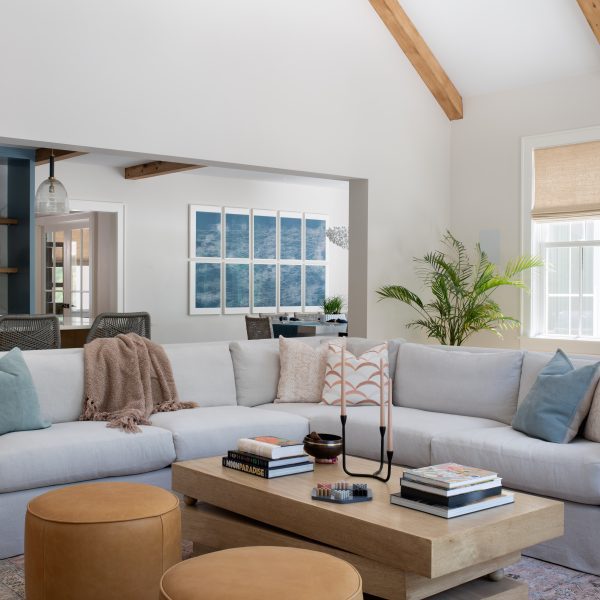
Behind the Build: Transforming a Spec Home into a Personalized Coastal Retreat
Not every dream home begins with a custom blueprint. Sometimes, it begins with a house that has great bones but lacks personality. That was the case for this new construction home in Mashpee. Originally built as a spec home, it offered a strong foundation but didn’t reflect the way its new owners wanted to live. They envisioned something warmer, more...
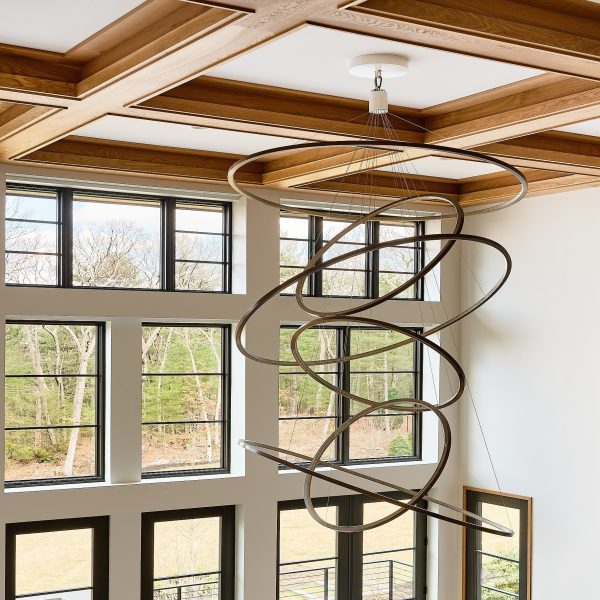
Why Great Rooms Continue to Define Modern New England Homes
There was a time when homes were designed around separate, highly defined spaces. The kitchen was tucked away from guests, the dining room was reserved for special occasions, and the living room often sat quietly between them. While many families lived that way decades ago, today’s homeowners want something different: spaces that bring people together, not scatter them. Great room...
